The competitive pathway begins
Started sailing at Dubai International Marine Club and progressed through the UAE national pathway.
Yousuf Khalid Albastaki
Read the wind. Build the sailor.
A living record of more than twenty-five years across competition, international coach education, athlete development and the work of opening modern sailing to the next generation.
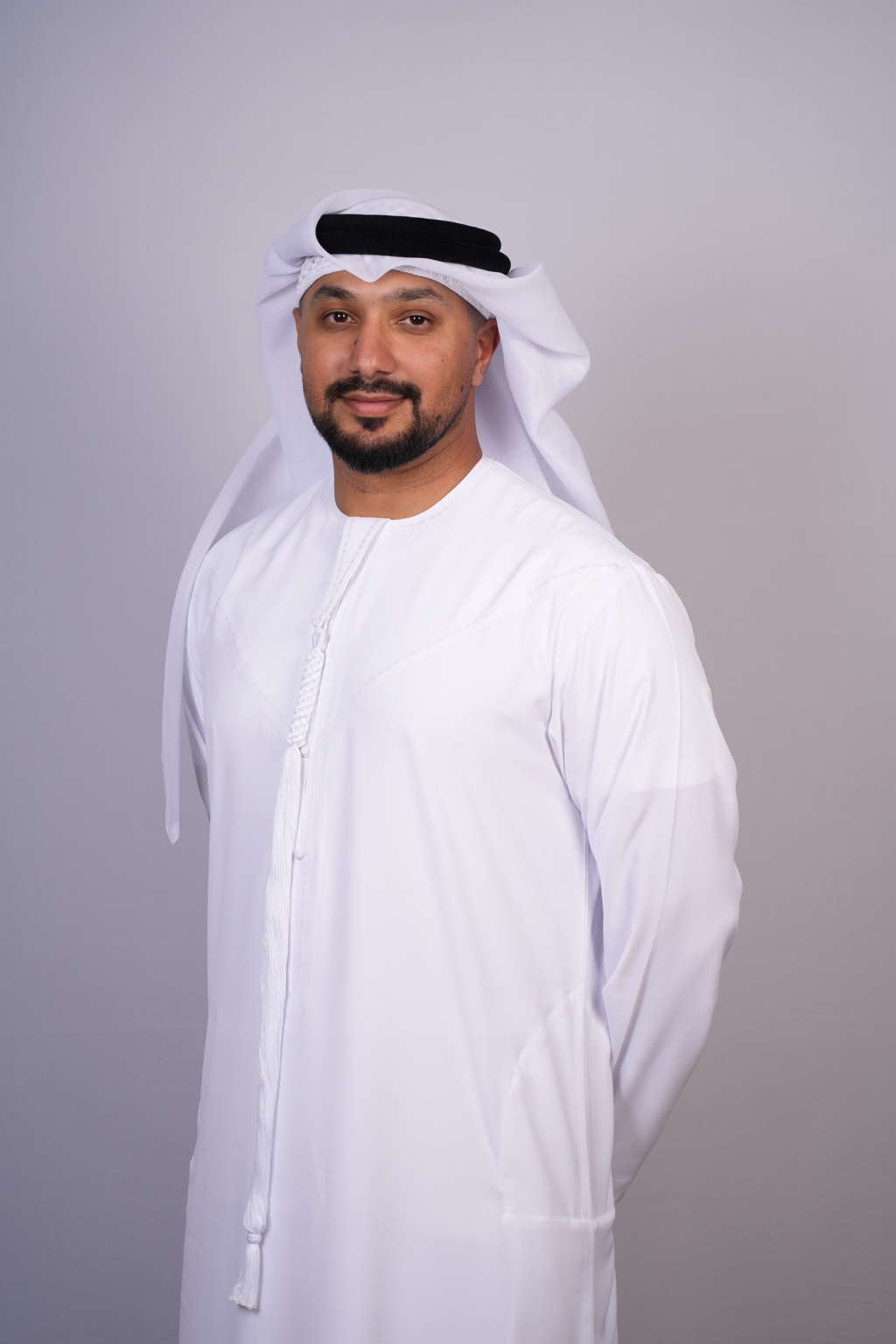

Sailing is not only a result sheet. It is a school for judgement, responsibility, teamwork and calm performance when conditions refuse to stay still.
Selected achievements
Started sailing at Dubai International Marine Club and progressed through the UAE national pathway.
Won the UAE National Championship in Laser 4.7 and later the GCC Championship in Laser Radial.
View sourceSelected as the UAE candidate for World Sailing’s eight-week ISAF Training Scholarship in Great Britain.
View sourceLed a two-day initiative introducing 450 students to sailing, safety and maritime heritage.
View sourceLed structured youth learning from preparation and safety to control, confidence and future competition.
View sourceVerified achievement · October 2024
Yousuf Khalid Albastaki served as one of the UAE delegation’s sailing coaches at the first Special Olympics Middle East and North Africa Regional Modern Sailing Competition, held in Dubai from 2–6 October 2024. Six national teams competed in Unified Sports formats aboard RS Venture boats. UAE crews delivered distinguished performances, earning silver and bronze results. The experience reflects Yousuf’s commitment to inclusive sport, athlete development and creating meaningful opportunities for athletes of determination.
Sailing in motion
Official films and public coverage will continue to grow here as the archive is collected.
DIMC · Education · 2024
SSL Team UAE · Competition
Field note 37 · 14 October 2026
World Sailing’s Racing Rules of Sailing 2025–2028 place responsibility for deciding whether to enter a race or remain in it with the boat itself. Rule 3 is a reminder that a start signal does not make the decision for every crew. Coaching application: assess your own readiness and reassess when conditions change; do not use another boat’s choice as proof that continuing is suitable for you.
Consider the crew’s ability, the boat’s condition, the weather and the agreed operating limits before deciding to race.
A decision made ashore should be reviewed if conditions, equipment or crew readiness change.
Communicate concerns clearly and follow the event’s safety arrangements; junior sailors should involve the responsible coach and parent or guardian.
If you retire, follow the event’s reporting and return procedures. Do not let a desired result override a responsible decision.
Before starting—and when circumstances change—ask: is continuing still appropriate for this crew and boat? This educational note does not replace event rules, qualified supervision or the safety plan.World Sailing · Racing Rules 2025–2028 · Rule 3
The archive
Field note 34 · 11 October 2026
World Sailing’s current Racing Rules of Sailing 2025–2028 begin with a fundamental safety obligation. Rule 1.1 requires a boat, competitor or support person to give all possible help to any person or vessel in danger. It does not make that responsibility secondary to position or result. The learning point is clear: when danger is real, competition gives way to responsible action.
Maintain a complete lookout and distinguish an ordinary racing incident from a person or vessel in danger.
Use the event’s approved emergency communication and alert the responsible safety services or officials promptly.
Act within your training, equipment, conditions and the approved safety plan, while avoiding unnecessary additional risk.
Cooperate with the race committee, rescue team and emergency authorities, and record the key facts accurately.
After the incident, review the plan, equipment, communication and roles so the next response is even clearer.
A result can wait; responsibility cannot. Protect life, follow the approved safety plan and cooperate with qualified officials and emergency services.World Sailing · Racing Rules of Sailing 2025–2028
Field note 31 · 8 October 2026
World Sailing’s current Racing Rules of Sailing 2025–2028 place sportsmanship and fair play among the sport’s basic principles. They expect competitors to follow and enforce the rules and state that, when a boat breaks a rule and is not exonerated, it should promptly take the appropriate penalty or action, which may be to retire. Rule 2 also requires a boat and its owner to compete in line with recognised principles of sportsmanship and fair play. The learning point is simple: integrity is part of performance, not something added after the result.
Review the current rules, changes and corrections, notice of race and sailing instructions that apply to the event.
When an incident occurs, separate what happened from what you hoped happened and identify the rules that may apply.
When a rule has been broken and no exoneration applies, use the appropriate penalty or action under the current event documents instead of waiting for the result to decide.
Keep the language factual and professional; fair competition does not need hostility.
After racing, use the incident to improve judgement, preparation and team understanding.
Fair sailing is visible in the decision made when no advantage is worth more than the standard. Know the rule, act promptly and protect trust in the competition.World Sailing · Racing Rules of Sailing 2025–2028
Field note 28 · 1 October 2026
World Sailing’s current Racing Rules of Sailing 2025–2028 place avoiding contact among the general limitations that apply when boats meet. Rule 14 says that, when reasonably possible, a boat must avoid contact, must not cause contact between boats, and must not cause a boat to contact an object that should be avoided. The practical lesson is wider than one incident: knowing who has right of way does not remove the responsibility to keep watching and respond when a risk becomes clear.
Identify the boats’ tacks, overlap and applicable right-of-way rule before assuming what either boat may do.
Track the other boat, nearby objects, the available room and how quickly the situation is changing.
When acquiring right of way or changing course, remember that other rules may require time and space for the other boat to keep clear.
When contact can reasonably be avoided, act early enough to keep the situation controlled rather than waiting for the last moment.
Use the current rules, changes and corrections, notice of race and sailing instructions that apply to the event.
The rules organise decisions; safety remains an active responsibility. Know the rule, communicate early and act before contact.World Sailing · Racing Rules of Sailing 2025–2028
Field note 25 · 28 September 2026
World Sailing provides risk-assessment and session-plan examples specifically for coaches and trainers delivering sail-training activities. Its Recognised Training framework also places safety, programme content, delivery and performance standards within the same structured system. The practical lesson is simple: the learning objective and the safety plan should be prepared together, then adjusted when the people, equipment or conditions change.
Define what the sailors should understand or perform by the end of the session, at a level suitable for the group.
Consider the sailors, coaches, weather, water, operating area, equipment, other users and foreseeable hazards before launching.
Confirm suitable supervision, safety resources, communication, boundaries and the approved emergency arrangements.
Make the objective, operating limits and stop signals clear. Reassess when conditions or participant needs change.
After the session, note what worked, what changed and what the next plan should improve.
Session planning is not paperwork beside the coaching. It is where the learning goal, the people and the conditions are brought into one responsible decision.World Sailing · Risk Assessment and Session Plan Proformas
Field note 22 · 25 September 2026
The US Centers for Disease Control and Prevention explains that good sleep supports health and emotional well-being, while enough high-quality sleep helps attention and memory. In athlete development, recovery is therefore not time left over after training. It is part of the plan that helps an athlete absorb the work, return with useful focus and communicate early when unusual fatigue needs support.
Consider training alongside study or work, travel, competition and other demands instead of judging one session in isolation.
Protect enough high-quality sleep and suitable rest before adding more training volume.
Tell the coach and an appropriate health professional about unusual fatigue, persistent sleep difficulty or reduced concentration.
Use the athlete’s feedback and the agreed plan to shape the next session; do not treat exhaustion as proof of commitment.
Progress is not only the work an athlete completes. It is the work the athlete can absorb, learn from and repeat safely.CDC · About Sleep
Field note 19 · 20 September 2026
WADA’s 2026 Prohibited List has been in force since 1 January and is available in Arabic and English. Because the List distinguishes between substances and methods prohibited at all times, in competition only or in particular sports, a clean-sport check must use the current List and the exact medication—not memory. Medical care comes first: athletes should not stop prescribed treatment on their own; they should tell their clinician they compete under anti-doping rules and seek guidance from the relevant anti-doping organisation.
Record the exact medicine, active ingredients, strength and country of purchase; formulations can differ.
Use the current WADA List and an approved medication-checking resource for your jurisdiction and sport.
Tell the clinician you compete under anti-doping rules. If the status is unclear or treatment is essential, ask the relevant anti-doping organisation about the TUE process.
Save the result and check again when the Prohibited List or the product formulation changes.
Medication decisions are medical. Clean-sport checks belong in the plan: verify early, document the answer and never stop prescribed care without a clinician.WADA · 2026 Prohibited List
Field note 16 · 17 September 2026
World Sailing’s Coaching Framework gives national authorities common ground for developing and evaluating coaching qualifications, education, ethics and international best practice. It also makes an important distinction: the focus is on the competencies of each coaching role, not its title. That turns development into something observable, supportable and fair.
Describe what safe, ethical and effective coaching looks like at the current level.
Observe planning, delivery, communication and review—not only results or reputation.
Identify one specific capability to strengthen instead of making a broad judgement about the person.
Use targeted learning, mentoring and practice, then review the same evidence again.
Progress is clearer when the role is defined, the evidence is observed and the next competency is coached.World Sailing · Coaching Framework
Field note 13 · 13 September 2026
Special Olympics’ principle of meaningful involvement gives every teammate an opportunity to contribute through their own skills. Its unified-sailing guidance identifies repeated interference with another sailor’s duties and poor communication as warning signs. For a coach, inclusion therefore means planning genuine participation—not simply attendance.
Choose a responsibility that suits the sailor’s current skills and the session’s safety requirements.
Support the sailor without routinely taking over the task. Keep communication clear and respectful.
After practice, ask each sailor what they contributed. Adjust the next session if someone was left on the sidelines.
Give every sailor a role that matters—and a real opportunity to fulfil it safely.Special Olympics · Unified Sports and meaningful involvement
Field note 10 · 8 September 2026
World Sailing’s recent Level 2 coach-development work highlights a continuous process: observe the athlete, evaluate performance, plan the session, deliver feedback and use what was learned to guide the next stage. Progress becomes more sustainable when feedback changes the next practice—not only the conversation after the last one.
Look for what actually happened before deciding what to correct.
Separate one result from the pattern and the athlete’s current stage.
Focus feedback on the next useful change, not every visible error.
Turn the observation into a purposeful drill or decision for the next session.
Check whether the change helped, then continue the cycle.
Feedback earns its value when it improves the next session. Observe, explain, plan and review.World Sailing · Developing the next generation of coaches
Field note 07 · 5 September 2026
World Sailing states that everyone in sailing has the right to a positive, enjoyable experience in a safe environment. Safeguarding becomes real when respect is expected, people are heard and the approved reporting route is clear before a concern appears.
Define respectful behaviour clearly for athletes, coaches, volunteers and families.
Use regular check-ins and open questions so speaking up is part of the culture, not a last resort.
Make the designated safeguarding contact and approved reporting process easy to find and understand.
Take a concern seriously, focus on the person’s immediate welfare and record the facts accurately.
Report through the approved channel and protect confidentiality within the limits of safeguarding duties.
A safe pathway protects the person first. Performance grows where respect, voice and responsible action are reliable.World Sailing · Safeguarding
Field note 04 · 1 September 2026
World Sailing’s coaching pathway separates safe participation, race competency and high-performance development. That distinction matters: a sailor advances sustainably when each stage prepares the next, rather than when competition is rushed.
Make safety, boat control and confidence reliable before adding pressure.
Build repeatable movement and trim through clear, purposeful practice.
Add starts, rules, speed, tactics and strategy when control is stable.
Use events as learning checkpoints, not verdicts on talent.
Assess technical, physical and mental needs, then design the next block.
The goal is not to move a sailor through levels quickly. It is to make every next level sustainable.World Sailing · Technical Courses for Coaches
Field note 01 · 29 August 2026
Speed comes after awareness. A reliable sailor pauses long enough to build a complete picture before committing to the next move.
Scan the water, wind indicators, traffic and crew.
Decide what is changing—not only what is visible now.
Set the boat and the team before the pressure arrives.
Use one clear message, confirmed by the crew.
Commit, observe the result and begin the loop again.
Good sailors do not react faster than everyone else. They recognise change earlier.
Continue the conversation
Available for schools, universities, podcasts, government initiatives, youth programmes and purposeful partnerships.
Leadership in practice
DIMC · South View School · 2024
In 2024, a two-day DIMC initiative introduced 450 students at South View School to modern sailing, safety and the UAE’s maritime heritage. It transformed a sport into an invitation: this world can belong to you too.
Read the original storyDIMC Sailing Summer Camp · 2026
The 2026 summer programme moved young learners from boat preparation and safety to control, manoeuvring and independent confidence—within a structured pathway towards future competition.
Read the original storyOpen to meaningful invitations
For podcasts, television, keynote conversations, government initiatives, school and university lectures, sponsorships or creative partnerships, connect directly through Yousuf’s official channels.